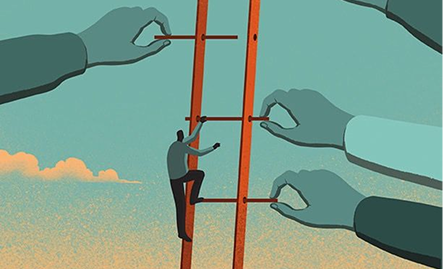
In a country like India, where the literacy ratio is slowly but steadily increasing, the focus of education and employment still revolves heavily around degrees, certificates, and formal qualifications. While education is important, this certificate-driven mindset often overshadows what truly creates value in the real world—skills. India has millions of talented individuals who remain unemployed or underemployed not because they lack ability, but because they lack a college certificate. This gap highlights a critical need to rethink how we define success, employability, and growth.
As the saying goes, “It is possible to fly without motors, but not without wings.” In today’s world, skills are the wings—not resumes.
The Reality of Education and Employment in India
India produces millions of graduates every year, yet unemployment among educated youth remains a major challenge. The reasons are clear:
At the same time, there are people who have learned skills through self-study, online platforms, apprenticeships, or hands-on experience. They can design, code, write, sell, repair, manage, or create—but are often overlooked because they do not fit traditional academic criteria.
Why Skills Matter More Than a Resume
A resume is only a document; skills are proof of ability. Employers today are increasingly prioritizing what a candidate can do rather than where they studied.
Key reasons skills outweigh resumes:
In fields like technology, marketing, design, media, sales, manufacturing, and even entrepreneurship, demonstrable skill sets often matter more than degrees.
The Rise of Skill-Based Careers
The digital revolution has created opportunities that did not exist a decade ago. Today, a person can build a career through:
Roles such as web developer, digital marketer, video editor, data analyst, copywriter, UI/UX designer, SEO specialist, and automation expert are driven almost entirely by skill, not certificates.
Many successful professionals and entrepreneurs never followed a conventional academic path. What they share is discipline, continuous learning, and mastery of their craft.
Learning Skills Outside the Classroom
One of the greatest advantages today is access to knowledge. Skills can be learned through:
Unlike traditional education, skill learning is:
The key is consistent practice and applying what is learned in real-world scenarios.
The Role of Employers and Institutions
For India to be known for its skilled youth, employers and institutions must also evolve.
Employers should:
Educational institutions should:
Building a Skill-First Mindset
Adopting a skill-first approach requires a mindset shift:
A strong portfolio, real projects, and proven results often speak louder than a multi-page resume.
Conclusion
India’s true potential lies not just in its population, but in the capability of its people. Degrees may open doors, but skills build careers. By prioritizing skill development over resume-building, India can reduce unemployment, boost innovation, and become globally recognized for its talented and capable youth.
In the end, a resume may get you noticed—but skills keep you relevant, employed, and successful.